
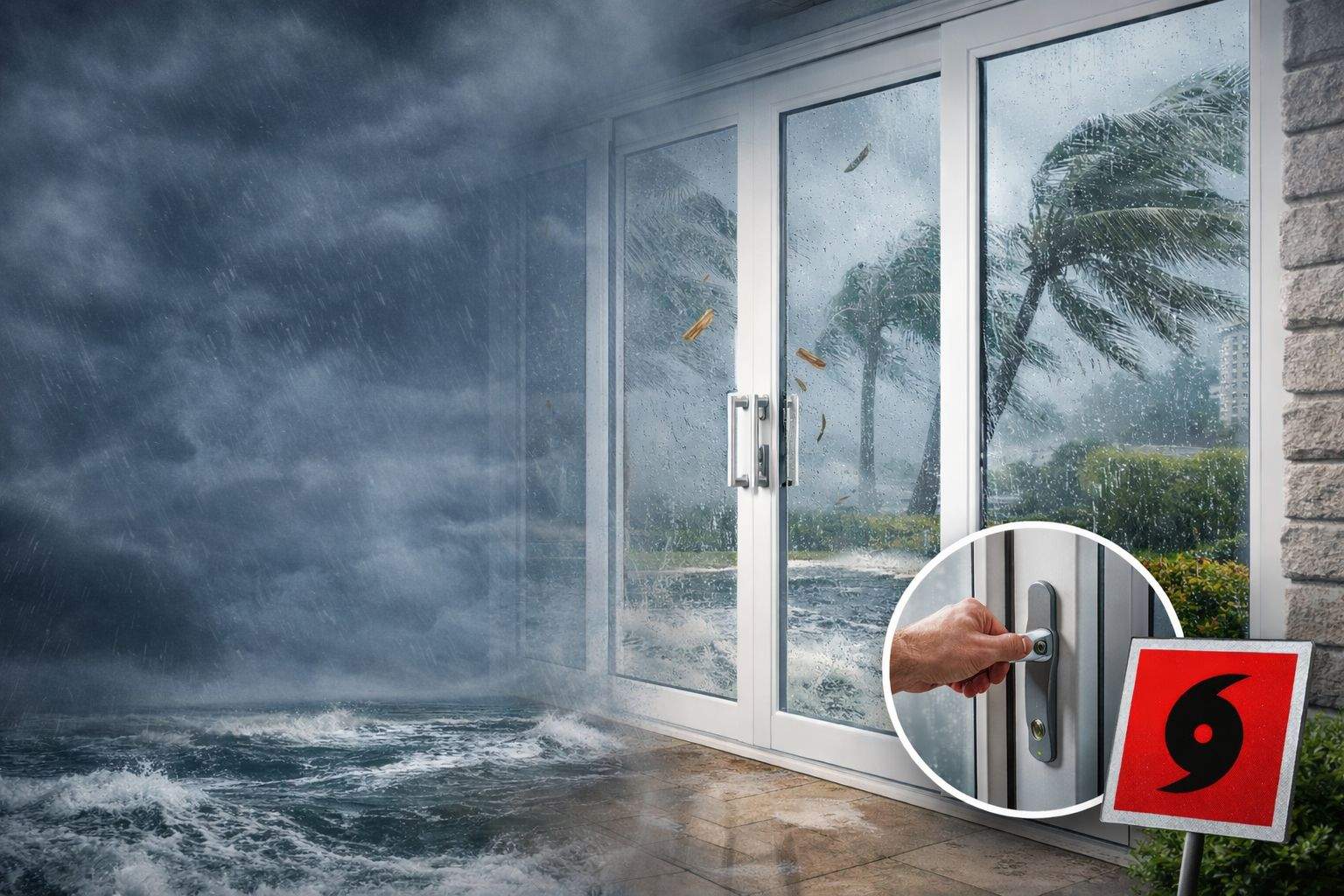
Hurricane season in South Florida runs from June through November, and preparation should begin well before the first watch appears. For local homeowners, Miami impact doors represent one of the most critical investments in protecting a home from hurricane-force winds and debris. Elite Impact Glass works with Miami-Dade homeowners to understand what these systems actually do, what standards they must meet, and how to verify that an installation delivers real storm performance.
Miami’s Building Code Creates a Higher Standard for Every Exterior Door
Miami-Dade County lies within Florida’s High-Velocity Hurricane Zone (HVHZ), which imposes stricter safety code requirements than nearly anywhere else in the country. Exterior openings, including doors, function as structural safety components here. The Florida Building Code requires all doors and windows in HVHZ areas to resist wind-borne debris impact and sustained cyclic wind pressure. A breached opening allows wind to pressurize the home’s interior, dramatically increasing the risk of roof uplift and structural failure. The wind and storm door safety code requirements in Miami are supported by decades of intensive scientific research into structural storm damage.
What an Impact Door Actually Does During a Storm
An impact-rated door is a fully tested assembly that includes all components, including the:
- Frame
- Slab
- Glazing
- Hardware
- Anchoring equipment
Each of these elements must perform together to earn product approval. Testing for HVHZ products includes TAS 201 missile impact testing, TAS 202 structural load testing, and TAS 203 cyclic pressure testing. These standards verify that Miami impact doors can absorb a large debris strike without creating a dangerous opening and withstand repeated pressure cycles throughout a storm event. Home storm protection depends on this full-assembly approach, not just the quality of the glass.
How To Evaluate Impact Doors in Miami, Florida, Before You Buy
Professional installation of impact doors in Miami, Fl, should always come with detailed documentation. The two primary approval frameworks are the Miami-Dade Notice of Acceptance (NOA) and Florida Product Approval. The NOA confirms a product meets Miami-Dade’s HVHZ requirements. Florida Product Approval confirms statewide compliance. Many products meet both standards. Approvals carry strict configuration limits. A door approved at one width may not qualify at a larger size, and each approval specifies glass type, hardware, and anchoring substrate. When an installer cannot provide the NOA for the exact configuration they plan to install, treat that as a red flag.
Why Proper Installation Determines How Well the Door Actually Performs
The best-rated Miami impact doors will underperform if the installation does not follow the approved anchoring schedule. Correctly selecting the fastener type, spacing, embedment depth, and edge distance for concrete, block, or wood framing is critical. The opening must be level and square before installation. Otherwise, misalignment stresses the locks and seals over time. Threshold detailing and exterior caulking reduce wind-driven rain entry. Multipoint locks help the door stay latched under sustained pressure. Impact-resistant door installation in Miami requires permits and county inspections to verify compliance.
Building a Smarter Hurricane Preparation Plan Around Hurricane Impact Doors in Miami
Hurricane impact doors in Miami provide strong protection against wind and debris, but they are part of a broader system of hurricane preparedness for homeowners. Impact-rated doors address envelope breach risk. Water management and flood planning address vulnerabilities that these doors do not solve. Miami impact doors eliminate the need to deploy shutters before most storms. Homeowners still benefit from removing loose outdoor items and verifying that all doors latch fully before a storm arrives. Even impact-rated glass can chip or crack, and any damage should be professionally evaluated.
What To Check on Your Impact Doors Each Spring Before Hurricane Season
A quick annual inspection takes under 30 minutes per door:
- Confirm the NOA or product label exists, especially in recently purchased homes.
- Operate each door to verify it latches cleanly.
- Check weatherstripping for gaps or brittleness, confirm that multipoint locks engage fully, examine the threshold sweep, and inspect exterior caulking for cracks.
Spring is the right time for this check, providing sufficient lead time for any repairs before installer wait times increase. Miami impact doors that receive consistent maintenance perform closer to their rated specification.
Contact the South Florida Experts at Elite Impact Glass Before Hurricane Season Arrives
Whether you want to evaluate your existing doors or explore new Miami impact doors for your home, professional guidance makes the difference between a compliant installation and one that fails inspection and underperforms. Elite Impact Glass serves Miami-Dade homeowners with code-compliant impact door installation, product selection, and documentation. Call our experts today to get started on a free estimate and get your home ready before hurricane season.