
Impact Sliding Doors in Miami, FL
Benefits of Impact Sliding Doors
Our impact sliding glass doors in Miami give you a wide patio opening and hurricane protection in the same frame. Laminated glass and reinforced framing keep the door in place under storm pressure, so your rooms stay bright, and your sightlines stay open.
Elite Impact Glass has been voted “Miami’s Best Hurricane Impact Windows,” and for good reason. Like all our hurricane-rated glass and door products, our impact sliding glass door systems are built on proven impact-resistant designs and installed using techniques matched to the opening.
Why Choose Hurricane/Impact Sliding Glass Doors?
Impact-rated sliding glass doors carry benefits well beyond the approvals that get them through permitting:
- Optimizing protection for both violent storms and home intrusions
- Opening up a wide range of stylistic choices
- Creating a wider entry point for a more inviting atmosphere
- Expanding views and exterior sightlines
- Improving insulation, especially with additional low-emissivity coatings
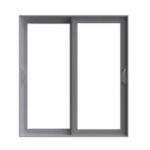
CGI® Sparta Series Sliding Glass Door
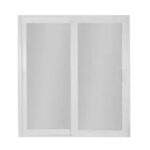
CGI® Targa Collection Impact Sliding Door
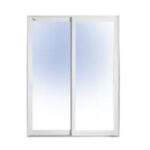
CGI® Sentinel Series Sliding Glass Door
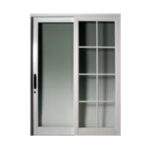
CGI® Commercial Sliding Glass Door
Eco Window Systems Sliding Glass Doors

WinDoor 6000: Aluminum Sliding Glass Door

WinDoor 6000: Aluminum Sliding Glass Door

WinDoor 7000: Aluminum Sliding Glass Door

WinDoor 8100: Aluminum Sliding Glass Door
WinDoor 9100: Thermally Broken Sliding Glass Door
Hurricane Sliding Glass Door Brands We Carry
Elite Impact Glass specializes in only the most robust hurricane glass and door products built by the industry’s leading manufacturers, including:
- CGI
- Eco Window Systems
- ES Windows
- MR Glass
- EuroCraft
Our impact sliding glass doors from CGI, WinDoor, and Eco are tested for storm and impact ratings. Installed under permit, they support compliance with Miami-Dade requirements for opening protection. They’re one part of our full range of impact doors for South Florida homes and businesses.
How Hurricane Impact Sliding Glass Doors Are Rated for Storm Performance
Hurricane impact sliding glass doors aren’t rated by wind speed alone. Miami-Dade County tests them for design pressure, measured in pounds per square foot, and for missile impact under test protocols TAS 201, 202, and 203. A door that passes receives a Notice of Acceptance, and that NOA number is what your permit application references.
Design pressure describes how much positive and negative wind load the assembly handles without failing. Missile impact testing fires a large timber projectile at the glass, then cycles the assembly through pressure loading to confirm the opening stays sealed. Laminated glass may crack under that load. The interlayer holds the pieces to the frame so wind and rain stay outside.
Ask for the NOA on any door you’re considering. It states the approved sizes, configurations, and design pressures, which is the specific information that tells you whether a product suits your opening.
What this means for homeowners is that a sliding glass door no longer has to be a compromise on security and protection. A properly rated and properly installed door improves both while opening up the room behind it.
Impact Sliding Doors vs Standard Sliding Glass Doors
Standard sliding glass doors are commonly used in homes for patio access and natural light, but they aren’t designed to withstand hurricane conditions common in Miami and South Florida. Traditional sliding doors often use tempered glass that can shatter when struck by debris during severe storms. When a sliding door fails, strong winds and rain can enter the home and create dangerous pressure changes inside the structure.
Impact sliding doors are engineered differently. They use laminated impact-resistant glass and reinforced frames designed to handle hurricane-force winds and flying debris. Even if the glass cracks, the inner laminate helps hold the glass together instead of shattering. Impact sliding doors also provide stronger locking systems and more durable framing compared to standard sliding doors.
For properties in Miami-Dade County and other coastal areas, upgrading gives you stronger storm protection and long-term durability. If you’re also weighing removable protection, our breakdown of impact windows versus hurricane shutters compares the two approaches on cost and storm-day convenience.
When to Replace Your Sliding Glass Doors in Miami
Sliding glass doors experience constant exposure to sunlight, moisture, and daily use, which causes wear over time. Older sliding doors installed before modern hurricane standards may no longer provide adequate protection for homes in Miami and South Florida. One common sign that replacement may be needed is difficulty opening or closing the door. Worn tracks, damaged rollers, or warped frames can cause the door to stick or move unevenly.
Another warning sign is air drafts or water leaks around the door frame. These issues can indicate failing seals that allow heat and moisture to enter the home. Visible glass damage, corrosion around the frame, or outdated locking systems may also signal that the door no longer provides proper security. Contact our team today for your consultation and free quote.
Energy Efficiency Benefits of Impact Sliding Doors
Impact sliding doors can help improve energy efficiency. Traditional sliding glass doors often allow heat to pass through the glass, which can raise indoor temperatures and increase the workload on air conditioning systems. Impact sliding doors use laminated glass and advanced framing systems designed to reduce heat transfer and minimize air leaks around the door opening.
By creating a stronger barrier between the interior and exterior environment, impact sliding doors help maintain more stable indoor temperatures. This can improve comfort while reducing the amount of energy required to cool the home. The sealed construction also helps limit outside humidity and hot air from entering the property.
For homes with large patio openings or waterfront views, energy-efficient impact sliding doors improve indoor comfort while still letting natural light reach the living space.
Laminated Glass and Frame Systems in Impact Sliding Glass Doors
An impact sliding glass door starts with laminated glass: two or more glass plies bonded to a clear interlayer that holds the assembly together after a strike. Glass thickness and interlayer thickness both vary by product and by the design pressure the opening requires.
Three interlayer materials appear in impact glazing:
- Polyvinyl butyral (PVB), the most widely used
- Ethylene-vinyl acetate (EVA)
- Polyethylene terephthalate (PET), often used as a stiffening film in insulated units
Some laminates combine PET with PVB. Interlayer choice also affects solar heat gain and sound transmission, so it’s worth discussing alongside your low-emissivity glass options.
The frame carries the load that the glass transfers into it. Structural aluminum is standard, with hard-vinyl composites used in some systems, and the panel has to sit deep in the track so it can’t disengage under pressure. Rollers, locking mechanisms, and fasteners need corrosion resistance to handle year-round South Florida humidity, which is why stainless steel and engineered polymers show up at those points.
Panel Configurations and Track Options for Impact-Resistant Sliding Glass Doors
Impact-resistant sliding glass doors come in two-panel and three-panel configurations, and multi-track systems let additional panels stack or pocket for a wider clear opening. The right setup depends on the width of your patio, balcony, or terrace opening and on how much of it you want open at once.
Track choice shapes how the door works day to day. A two-panel door slides one panel behind a fixed panel. Multi-track configurations let several panels stack to one side, which suits wide openings where an unbroken view matters most. Approved sizes and configurations are listed on each product’s NOA, and we confirm those against your opening during the measurement visit.
Where a sliding configuration isn’t the right fit, we also install impact French doors and impact windows sized to the same standards.
Elite Impact Glass: Your Resident Hurricane Glass and Door Experts
Elite hurricane glass and door technologies deliver the style and performance benefits of sliding glass doors while strengthening your property’s overall security and storm protection.
The best results depend on expert installation and proven products, both of which come from a true hurricane impact window and door specialist. Our technicians work with tested products and installation methods matched to the opening and the structure behind it.
If you’re wondering whether impact sliding glass doors belong in your storm protection plan, contact us and request a free consultation today. You can also browse our full range of impact windows and doors for South Florida and the Caribbean.
Frequently Asked Questions
Impact-rated sliding glass doors are built and tested to stay in the opening through a storm. Laminated glass and reinforced frames hold together under wind pressure and debris strikes, so the opening stays sealed even when the glass cracks. That protection is in place year-round, with no shutters to put up and no panels to store. Standard sliding doors are a different product and aren’t designed for hurricane conditions, which is why replacing them is a common upgrade for Miami homes with large patio openings.
Miami-Dade County sits in a High Velocity Hurricane Zone, where building codes require approved protection for exterior glazed openings in new construction and in many renovation projects. That protection may be impact-rated doors and windows, code-compliant shutters, or another approved system. Existing homes are not always required to upgrade immediately. Many owners choose impact sliding doors anyway because the protection is permanent and needs no action before a storm. Whatever system is installed must carry Florida or Miami-Dade approval and satisfy local permitting requirements.
Cost depends on the size of the opening, the number of panels, the frame material and finish, the glass package, and the design pressure your opening requires. A three-panel door spanning a wide patio runs higher than a standard two-panel slider, and custom finishes or thermally broken frames add to the total. We provide a free in-home consultation with exact measurements, so your quote reflects your actual openings rather than a rough estimate. Ask about our price match guarantee when you call.
In most cases, yes. Impact sliding doors are manufactured to the dimensions of your opening, so an existing patio or balcony opening will usually accept a new door without structural changes. During the consultation, we measure the opening, check the surrounding structure and anchoring points, and confirm which approved sizes and configurations fit. Some openings need modification to carry the heavier frame or to meet anchoring requirements, and we identify that before the order goes in. Permitting is handled as part of the project.
High-quality impact sliding doors are built for long-term service in coastal climates and can last 20 years or longer when installed correctly and maintained. The reinforced frames and laminated glass are engineered for strong winds, salt air, and heavy rain. Routine care extends that lifespan: keep the tracks clear, inspect the rollers, and check the perimeter seals once or twice a year. Hardware is the most common wear point, and rollers and locks can usually be serviced without replacing the door.
Impact-rated openings are a recognized asset in the Miami market, where buyers understand what hurricane protection costs to add after the fact. A home with impact sliding doors already in place comes with documented storm protection and no shutters to store or install. The NOA documentation from your installation stays with the property, giving buyers and their insurers a clear record of what’s there. Actual resale impact varies by property, neighborhood, and market conditions.