
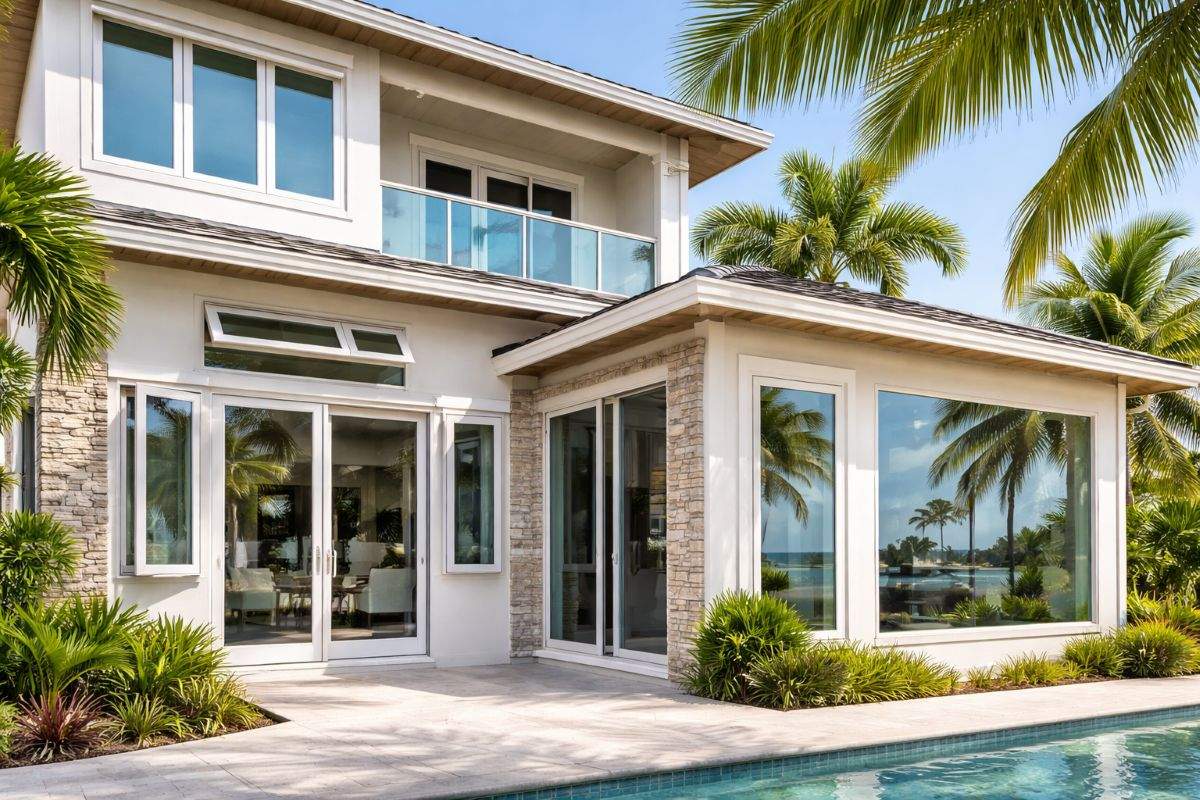
Choosing the right impact windows in Miami involves more than selecting a product that meets hurricane standards. Different window styles offer unique benefits depending on ventilation needs, design preferences, and how each space in the home is used. Understanding the differences between picture windows, awning windows, casement windows, single hung windows, and horizontal sliding windows can help you make a more informed decision when upgrading your property.
Picture Windows – Maximum Views and Natural Light
Picture windows are fixed windows that do not open, making them ideal for areas where natural light and unobstructed views are a priority. These windows are commonly used in living rooms or spaces that overlook outdoor areas such as patios or waterfront views. Because they do not have moving parts, picture windows tend to be very strong and airtight. Hurricane impact windows Miami FL homeowners install in this style provide excellent storm protection while maintaining a clean, modern look. However, since they do not open, they do not provide ventilation, which is something to consider when planning your layout.
Awning Windows – Ventilation with Weather Protection
Awning windows are hinged at the top and open outward, creating a small overhang when opened. This design allows airflow while helping keep rain out, which is useful in Miami’s frequent rain conditions. These impact resistant windows are often installed in bathrooms, kitchens, or higher wall placements where ventilation is needed without compromising privacy. Their compact design also makes them a good option for pairing with larger fixed windows. When installed as part of a larger system, awning windows contribute to both airflow and hurricane protection.
Casement Windows – Strong Seal and Full Ventilation
Casement windows are hinged on the side and open outward like a door. This design allows them to fully open, providing maximum ventilation compared to other window styles. When closed, casement windows create a tight seal, which helps improve energy efficiency and prevent air leaks. Many Miami hurricane impact windows are installed in this style because of their ability to combine ventilation with strong structural performance. They are commonly used in bedrooms and living spaces where airflow is important. The crank mechanism also makes them easy to operate.
Single Hung Windows – Traditional and Space Efficient
Single hung windows are one of the most traditional window styles and are commonly found in many homes. These windows have a fixed top sash and a bottom sash that slides vertically. They are a practical option for areas where space outside the window may be limited, such as walkways or patios. Impact windows in Miami installed in a single hung design offer a balance between functionality and affordability. While they do not provide as much ventilation as casement windows, they are easy to maintain and work well in a variety of home styles.
Horizontal Sliding Windows – Simple Operation and Modern Appeal
Horizontal sliding windows operate by moving one panel side to side along a track. This style is often used in modern homes or areas where wide window openings are desired. These windows are easy to operate and do not require extra space to open outward or inward. Impact resistant windows in a sliding configuration are commonly installed in bedrooms, kitchens, and living areas. They provide good ventilation and are a practical solution for wider wall openings. Their simple design also makes them a low-maintenance option.
Choosing the Right Impact Window Style for Your Home
Selecting the right window style depends on how each space in your home is used. Some areas benefit more from natural light, while others require ventilation or privacy. Combining different styles of hurricane impact windows Miami FL properties use can create a balanced design that improves both functionality and appearance. It is also important to choose windows that meet Miami-Dade standards to ensure proper hurricane protection.
Upgrading to Miami hurricane impact windows is not just about meeting building codes. It is about improving how your home performs in everyday conditions and during severe weather. Each window style offers its own advantages, and understanding these differences helps you choose a system that fits both your needs and your property design.